Sun protection
Sun Protection When You Are Prone to Pigmentation
For pigment-prone skin, sunscreen is the base of every treatment plan. Here is what the sources say about UVA, visible light and tinted formulas with iron oxides.
For pigment-prone skin, sunscreen is the base of every treatment plan. Here is what the sources say about UVA, visible light and tinted formulas with iron oxides.
Tranexamic acid has become a common talking point in melasma care. This is a plain reading of what the meta-analyses and dermatology references report, and where the evidence is still thin.
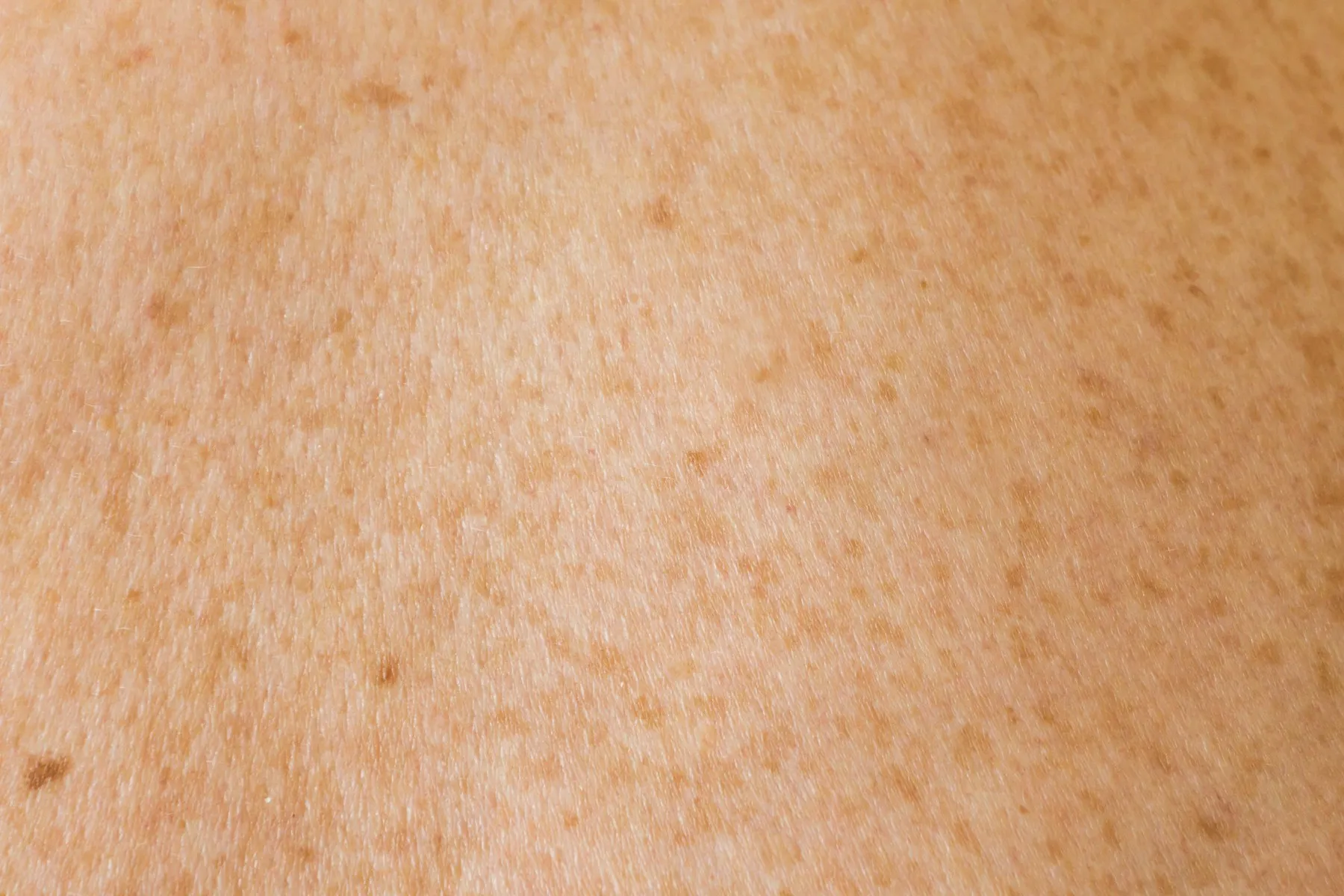
Three common causes of facial dark patches can look similar in the mirror. Here is how dermatology references tell melasma, solar lentigines and post-inflammatory marks apart.
New to pigmentation? These three articles, read in this order, cover most of what people ask us.
Step 1
Work out what kind of mark you are looking at before choosing anything.
Step 2
The part of every treatment plan that stays the same, whatever else changes.
Step 3
Then the treatments, starting with the one readers ask us about most.
Patchy brown pigment on both cheeks, the forehead or upper lip, linked to light, hormones and family history.
All 5 articlesSolar lentigines: flat, well-defined spots left by years of UV exposure, and how they differ from other marks.
All 2 articlesCreams, tablets and devices, read against the trials and dermatology guidance behind them.
All 3 articlesUVA, UVB and visible light, tinted sunscreens and the habits that stop pigment coming back.
Read the articleFor pigment-prone skin, sunscreen is the base of every treatment plan. Here is what the sources say about UVA, visible light and tinted formulas with iron oxides.
Post-inflammatory hyperpigmentation: the brown marks that stay behind after spots, rashes or irritation.
Read the articleThree common causes of facial dark patches can look similar in the mirror. Here is how dermatology references tell melasma, solar lentigines and post-inflammatory marks apart.